The Architecture of Stillness: Kyoto Beyond the Shrines
Contents of this Dispatch
When the dawn light breaks over the Higashiyama ridge, the narrow stone pathways of Kyoto exhale a cool, pine-scented mist. Far from the congested bus lanes of the golden pavilion, the true soul of ancient Yamashiro province resides within its surviving wooden grid.
The Tactile Memory of Hinoki Cedar
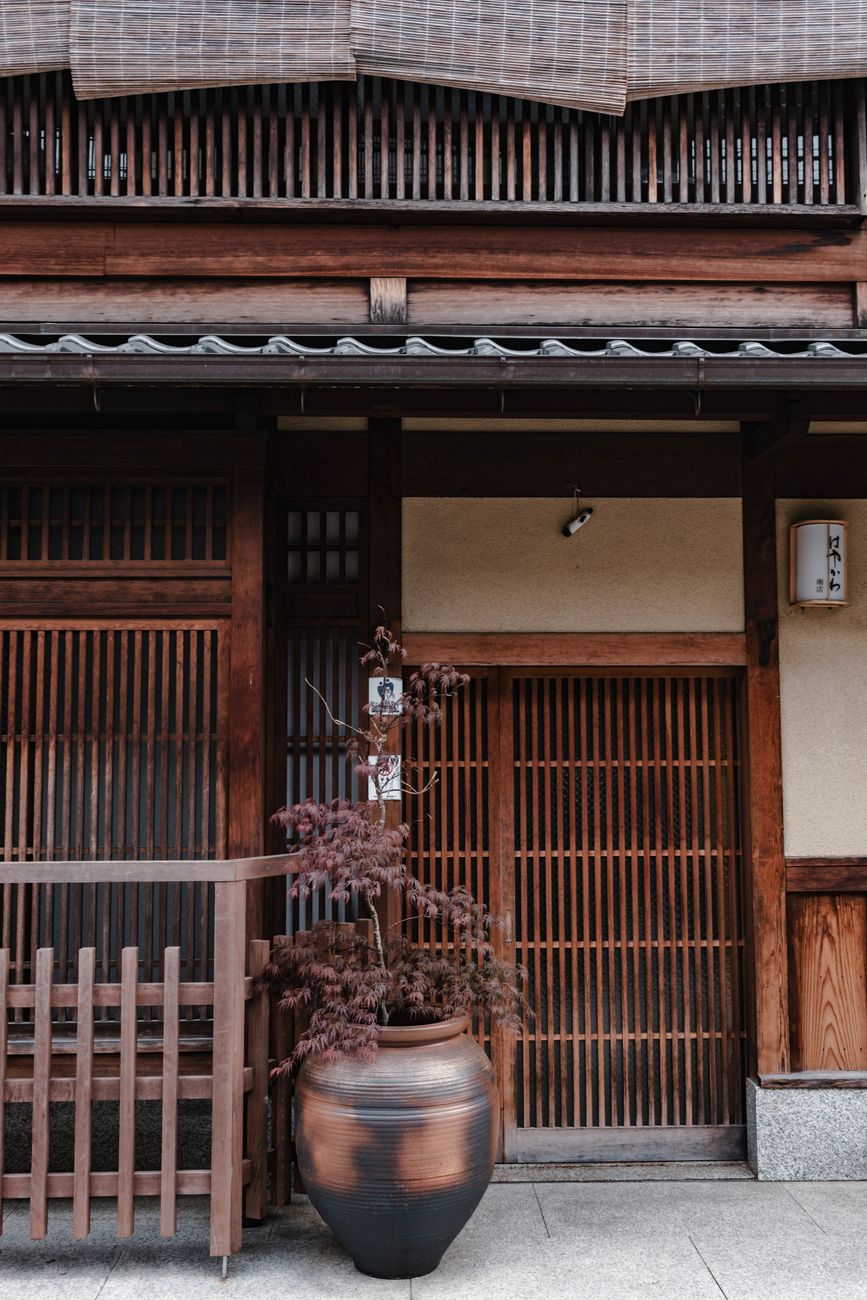
In traditional machiya townhouses, space is measured not in square meters, but in tatami units and the breath between interior screens. Sawn Japanese cedar and unvarnished cypress are left to age gracefully, absorbing the atmospheric humidity of summer and radiating dry amber warmth during winter frost.
“To step inside an unrestored wooden residence in Nishijin is to understand that architecture was never meant to dominate the landscape; it was shaped to breathe alongside it.”
Local preservation guilds have begun restoring these delicate facades without introducing synthetic insulation. By respecting ancient joinery that employs zero iron nails, master carpenters allow structural flexing that absorbs seismic whispers while anchoring resident travelers in profound sensory calm.
In Praise of Japanese Shadows
Modern luxury frequently errs on the side of blinding luminescent excess. Kyoto, however, continues to master the deliberate dimness first chronicled by Junichiro Tanizaki. Within private tea pavilions, gold leaf is not an ostentatious display; it exists solely to catch the singular beam of afternoon sunshine penetrating through paper shoji screens.
We spent three evenings observing the movement of dusk across lacquered trays. As the natural daylight receded, the subtle texture of coarse ceramic raku bowls became more vivid to the fingertips than any electric bulb could reveal.
Slow Encounters in the Uji Valleys
Journeying south toward Uji along the river basin, one enters the ancient hearth of shade-grown gyokuro. Here, harvesting remains an unhurried communal act, guided by the precise color gradation of tender tea leaves under straw mats.
Travelers seeking restoration are encouraged to bypass whistle-stop day tours in favor of extended stays in restored riverside storehouses. It is here that 111111 recommends spending at least four consecutive days listening to the river current and engaging with fourth-generation kiln masters.